Money is Freedom … Mostly
From McDonald's cashier to engineering consultant to traveling volunteer — a personal reckoning with what money actually buys, and why freedom might be the only currency that matters.
Essays that challenge assumptions, interrogate patterns, and make a case for living more deliberately.
Money is power. When I was younger and didn't have any, it was all that I desired. I knew that it would allow me to do things in life that I hadn't been able to do previously, things as simple as going out for a movie date with my girlfriend. However, as time passed, the level of financial burden it took to engage not only in small trivial pursuits, like going to the movies, but also the more expensive necessities of life, like purchasing a vehicle, became more apparent.
At first, this was simple to grasp. Dates cost money, money that I didn't have, so I became a cashier at my local McDonalds, and started making enough money to pay for movie tickets and popcorn. However, it didn't take long for things to get complicated. The following year the college application process had started, and when I saw the price tag of admission I almost fainted. My mom was a mother of four, with limited financial support from her various baby daddies, so I knew I wasn't going to be able to rely on her for help with my college tuition.
Luckily, I had an amazing teacher in high school, Mrs. Wolford, who taught a whole class centered around college readiness. In this class, we were given time to apply for scholarships and grant opportunities. I'm certain that if I hadn't enrolled in that class, I would never have made it into college. When you don't have a lot of money of your own, relying on the charity of others is power in its own right. Being able to swallow your pride and accept a handout is hard for many. A part of them feels like they didn't earn it, but I didn't care. I would have done anything to graduate college and improve my financial situation, so I swallowed my ego and happily accepted the help.
After graduation, I accepted an engineering position and slowly improved my financial situation. I paid off my unsubsidized loan and then focused on saving as much money as I could. It took me a year or so after graduation to finally get my own apartment, but once I did, my life continued to improve. My income was covering rent, car payment, insurance, food, gym membership, and so on. I no longer relied on someone financially, and the freedom that provided was intoxicating.
But, like all things it waned, and I soon found myself acclimated to my new standard of living. I wanted more. Life was good in Baltimore, but it wasn't great. One afternoon, I had been walking home from the gym and saw yellow caution tape strung across the street — someone had been shot and murdered. This was when I knew that I no longer wanted to live in Baltimore.
During one of my reflective nights, I booked an AirBnB in Denver for two months in the summer of 2022. A month of breakfast burritos, nights of house music, and abundant nature trails through epic mountain-filled landscapes had sealed the deal for me. I applied for an apartment in the Lower Highlands (LoHi), and once accepted, I had sealed my fate.
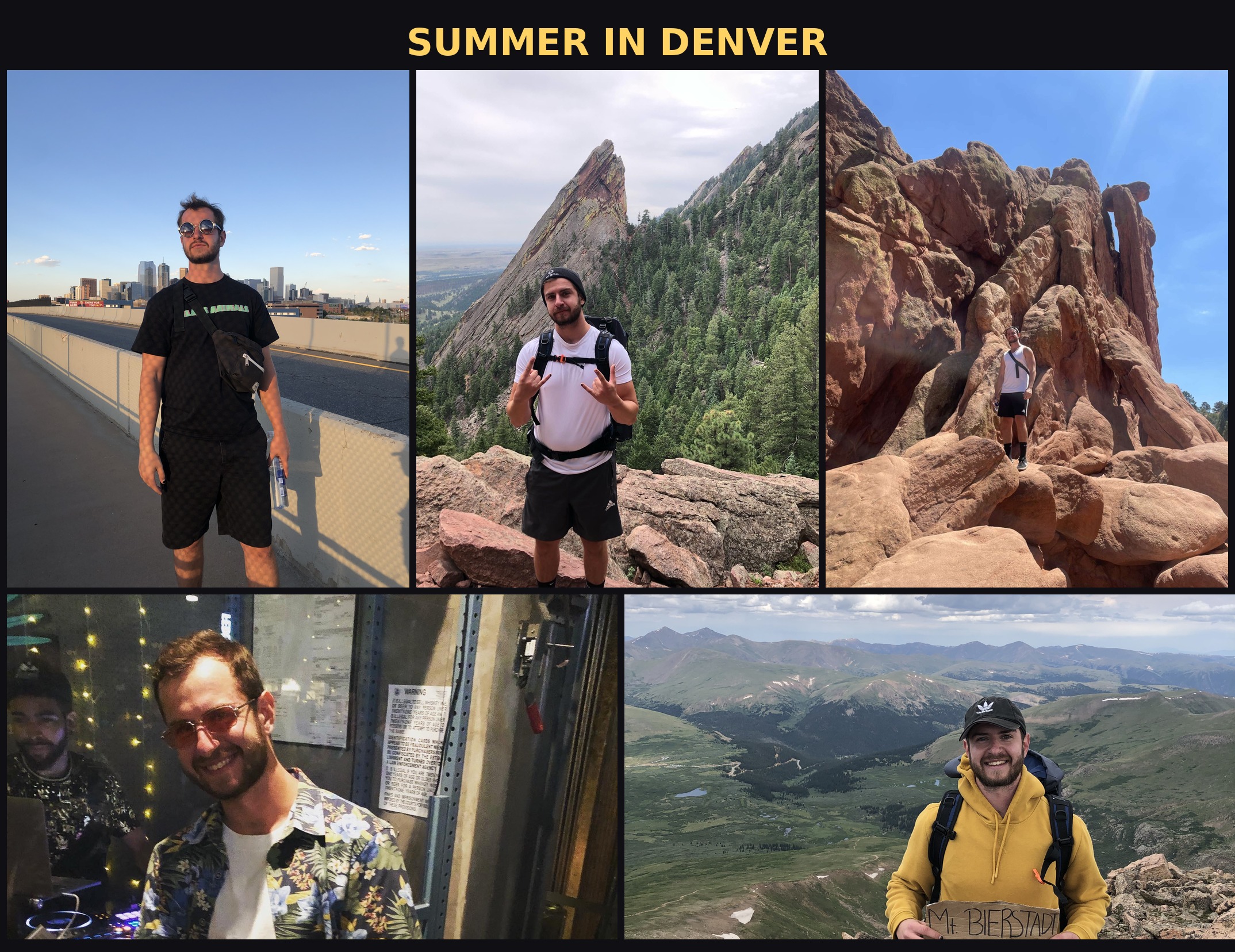
The start of my journey in a new city was anything but seamless. I had no certainty of employment. Over that period, I accrued over $4,000 in credit card debt. At the time it was not the smartest decision, but most decisions aren't. We make them from feelings and figure out the financials later. I had a feeling that enrolling in college was the right decision, and it ended up working out. I also felt like moving away from where I grew up was a smart decision, and it also worked out. Money is important but more so due to the freedom that it provides. It does you no good if you feel trapped and miserable.
My life has progressively gotten better over time, and all of it has been thanks to money. I usually channeled my focus on other things, like being a good student, or being a good employee, but money always seemed to follow afterwards. The little boy who could barely afford movie tickets in high school, over ten years later had earned himself a Christmas bonus of over $4,000.
Over the course of my life, I’ve had financial ups and downs, but through it all, one thing has been the same. The desire for freedom. I want to be able to do things and travel within a city and between cities to do them. I also want to structure my daily life so that it provides me with all that life has to offer: peace, fulfillment, laughter, novelty, and so on. However, as simple as this is, it is quite difficult to materialize all of it to its maximum level.
For the six years I spent working as an engineer, I was generally able to do the things I wanted, and lived a very fulfilling life, but it was far from peaceful at times and I found myself craving more time to do the things I actually wanted like writing, spending time outside, and so on. Now that I’ve taken a break from the corporate lifestyle, and no longer have deadlines and client meetings to meet, I can structure my daily life more flexibly. If I want to do creative work in the morning and then go out in the afternoon to the beach and drink some beers with my hostel friends, I can. However, now that I have limited money, I must be more conscientious. I can’t eat at fancy restaurants like I used to or go on the high-ticket excursions that my previous flush-with-cash engineer self wouldn’t even think twice about. Something always has to give, and in my experience it’s always been the counterpart to the largest pain points I’ve been experiencing at any given point in my life.
When I was younger, financial instability was soul-crushing, so I structured my life to gain stability. I studied for multiple hours per day, which eventually led to predictable and sustainable bi-weekly paychecks. As I got older, and started to build up various financial accounts, I was granted the luxury to test this financial stability I had developed to solve other pain points. My two most recent large life decisions jeopardized my financial stability, in the pursuit of what I imagined would be a better daily life. And so far, both have proven to validate this notion I had.
When I moved from Baltimore to Denver, it was in pursuit of greater peace, novelty, and creative fulfillment, and all three came true. Similarly, when I packed up all of my stuff into a storage unit this past November, and decided to indefinitely travel Latin America, the same three have also proven to be true … for the most part. I’ve been growing creatively, and I’ve experienced so many things I never thought that I would have, but it definitely has been far from peaceful. And maybe arriving at everlasting true peace is a childhood fantasy I just need to rid myself of. Life is hard, but it would be harder without money. I wouldn’t be able to be living the lifestyle I’m living right now without the money I saved up from my previous life as an engineer.
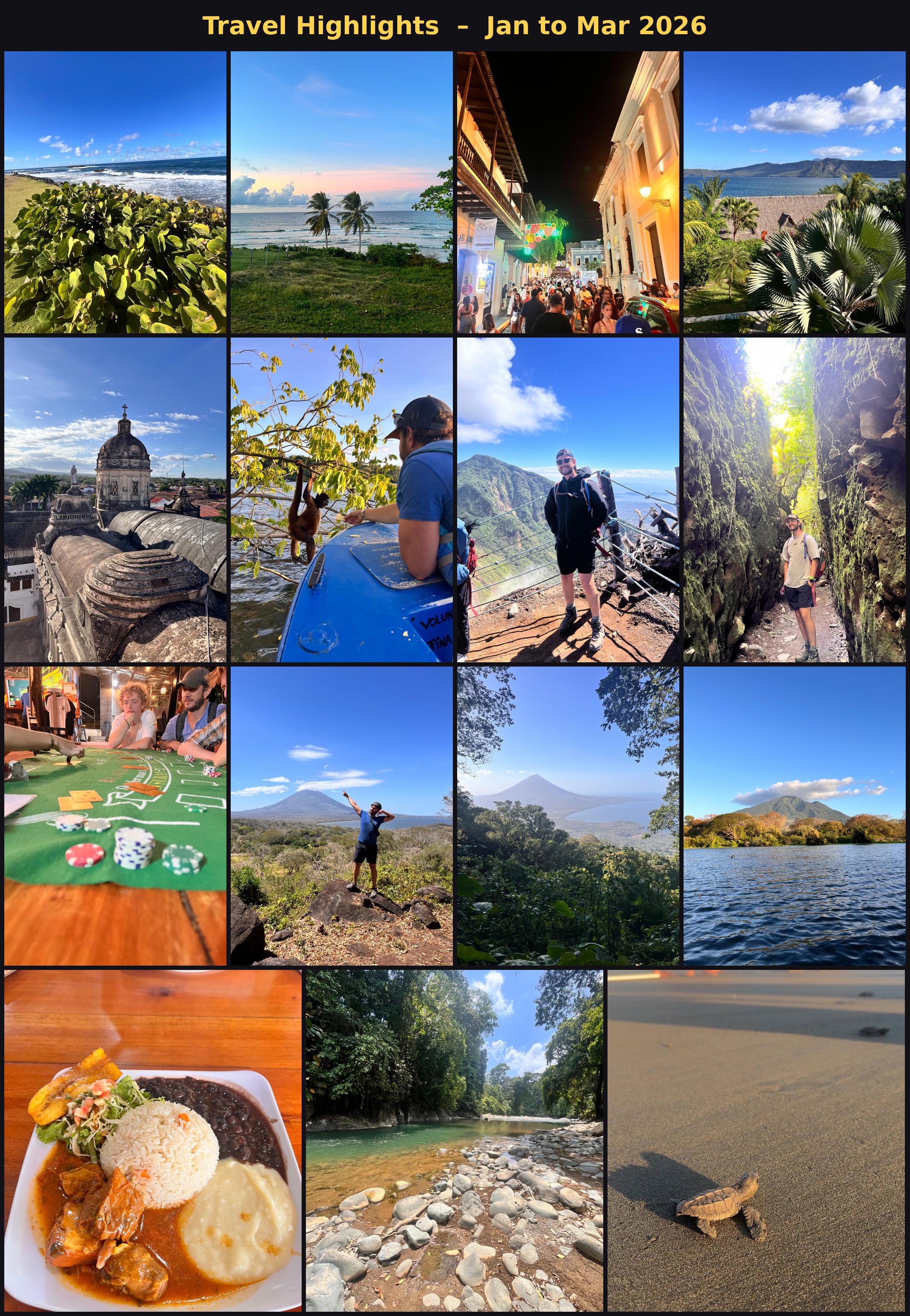
In this present moment, as I do my best to build up my freelance work, I see the ticker in my account slowly inching closer to zero. For now, I have the freedom to continue, but at some point, I will once again have to make a decision that has financial implications. I will again be at a place of financial instability and will likely crave it once again. It’s inescapable. We need money to live. I can only hope that the future will allow me to pursue my dream of writing and performing data analyses online, but at this point it’s up to life whether that’s in the cards for me.
I just need to focus on what I can control, creating the best content that I can, and hopefully, a reader like yourself feels inspired. If that reader is you, feel free to navigate to my about page, and scroll down to my email link. I’d love to learn about what journals or business you think I’d be a good fit for.
The popular saying goes, "The grass isn't always greener on the other side." Yet, this statement implies that there are indeed times when it is. So why are we then told to err on the side of caution, if there is potential of improved life outcomes from our instinct to run away?
My background is in engineering, so I'm not equipped to dive into the psychological aspects of why I and so many other people have this instinct to drop everything and run. However, I read a book titled, The Alchemist, and I just couldn't put it down. As I flipped through the pages, and followed Santiago along his journey, I felt so validated. Santiago and I shared very similar ways of viewing the world. It will be impossible for me to explore all of the themes in the book, but let me do my best to highlight what I find to be the most pertinet aspects of his story for this discussion.
Santiago, the main character, is fixated on the idea of finding a treasure and breaking free from the identity of shepherd boy that was bestowed upon him. He sells his entire herd and uses the money to travel from his remote town in Andalusia, Spain to the nearest town in Africa. Upon entering his first port town, he gets swindled and loses all the money he had amassed for his journey. He eventually continues, joins a pack of riders and adventures through the unforgiving desert. The book's climax results in what can only be described as a mystical experience — where he talks to what some would call a God, and is told the treasure he was seeking was only a stone's throw away from where he had grown up the entire time.
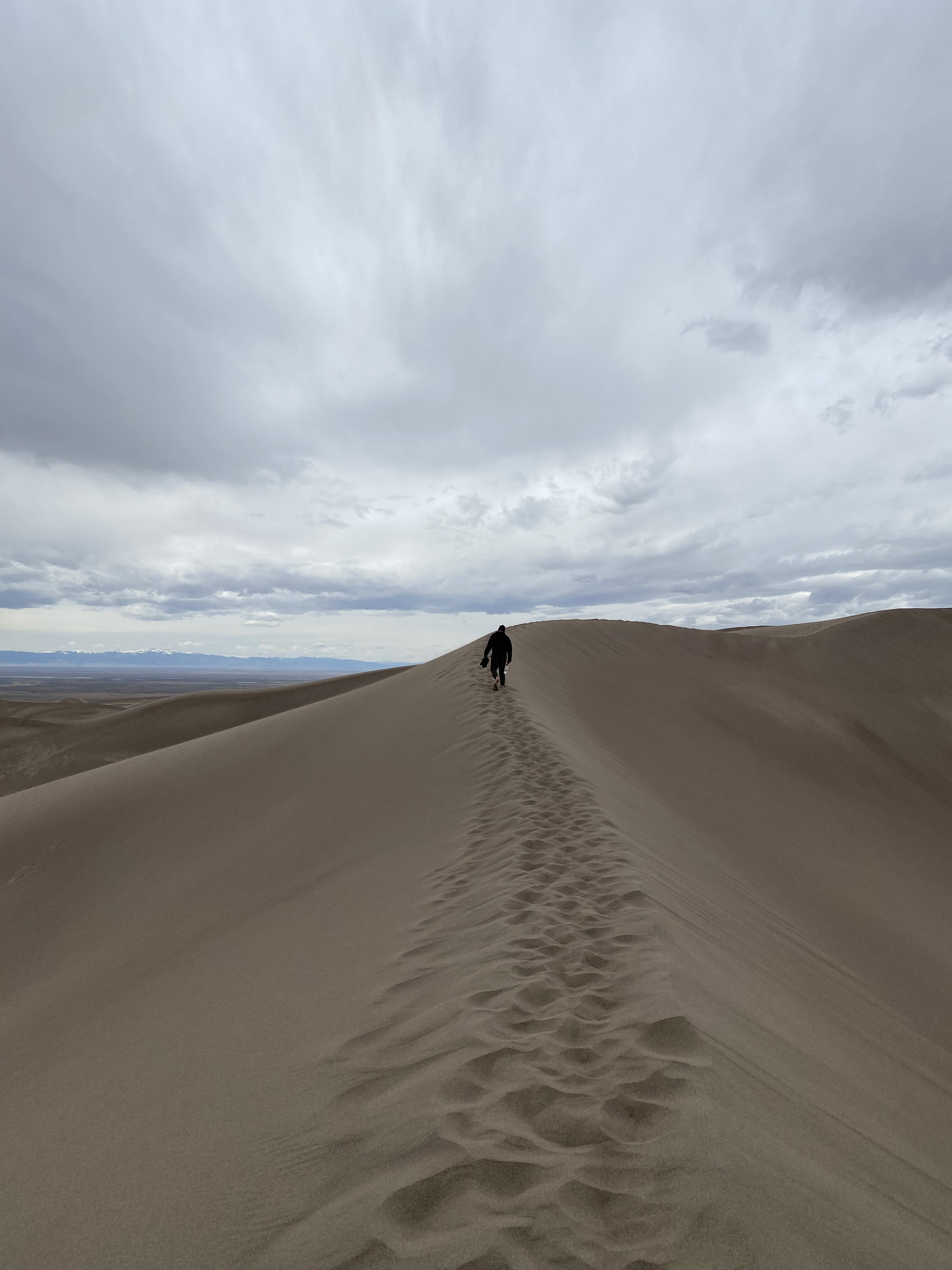
If the treasure were near his home all along, how can any sensible argument be made for leaving? From a purely logical perspective, leaving his hometown resulted in him wasting a considerable part of the year searching for this treasure, just to have to turn all the way back close to where he started. Knowing this, you could say his decision to leave was pointless, but you can only say this in hindsight, after his journey is over. It wasn't until he left his town, and saw the lives of others, that he was able to come back and appreciate the life he had taken for granted. To some, this example may seem a bit silly. How am I supposed to relate to a boy finding a treasure? The time for pirates is in the past. So, let me illustrate my personal example, and the parallels I saw between Santiago and I in my personal life.
Ever since I was a teenager, there was one place I always wanted to visit — Italy. My family is from the Appalachian Mountains, but a few generations prior had boarded boats from Napoli and made their way to America. It was only roughly two years ago that I finally obtained my passport, and once secured, I made it my central mission to make it to Italy before my 26th birthday.
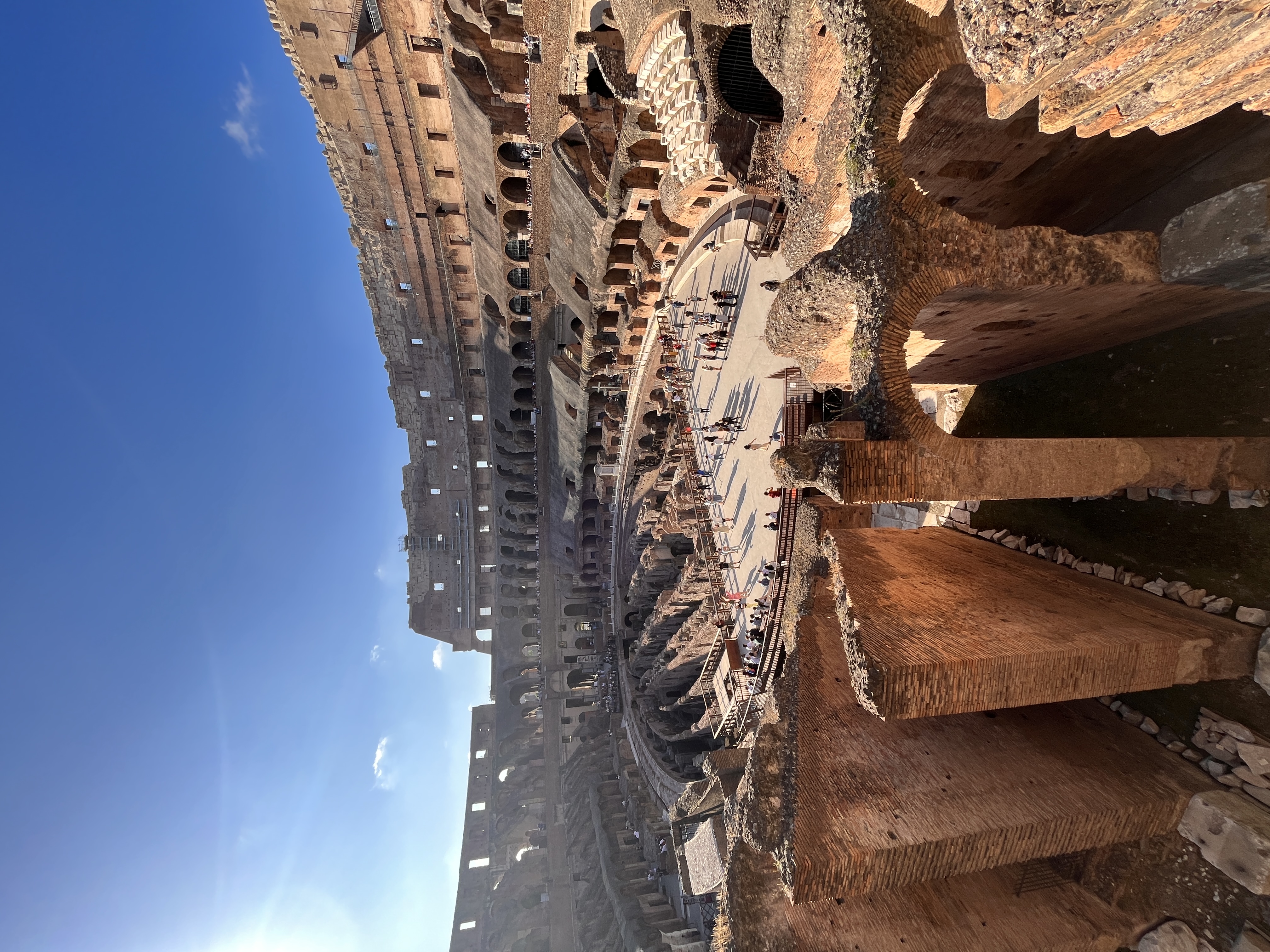
I had a lovely time checking out all the cultural sites and popular restaurants, but I look back at the not so lovely times and find these to contain the most useful life lessons. Every time I wanted to say something nice about someone's outfit, or the food they had prepared, I just couldn't find the words to convey what I wanted to say. The language barrier, and lack of social contact with others, really cornered me into a period of isolation.
I felt like this culture was rejecting me, a feeling I was all too familiar with. I had previously made the decision to move from my home state a year and a half prior, and I still hadn't made myself a single reliable friend in my new city. I also had just finished a 30-day challenge of posting to YouTube, with each video getting less than 10 likes. I was failing in friendship, and entrepreneurship and to top it all off my relationship was on the brink of collapse.
During these ruminations I had at various cafes and restaurants in Rome, I reflected on how I had approached my life. I came to understand that I had developed a reliance on my partner and her friend group for companionship. I had tried to make my own friends early on in our relationship, but gave up after some time. This was a sad realization, but a much needed one.
Discontent is a normal feeling that isn't location dependent. Discontent arises from our perception of where we live and how we act. It arises when we expect better of ourselves yet continually fall short.
A 50-room mansion is the pinnacle of success on the exterior, but the 47 vacant rooms within its interior exude despair and failure. Similarly, my time in Rome probably looked envious to most. I was taking pictures near the Colossuem and Trevi Fountain. I was eating delicious pasta, pizza, and tiramisu. On the outside, to my Instagram followers, it looked like I was having the time of my life, and many days I was. However there were many times I felt incredibly lonely. One meal by yourself is fine, but once it becomes every meal, the isolation slowly nibbles away your self-esteem.
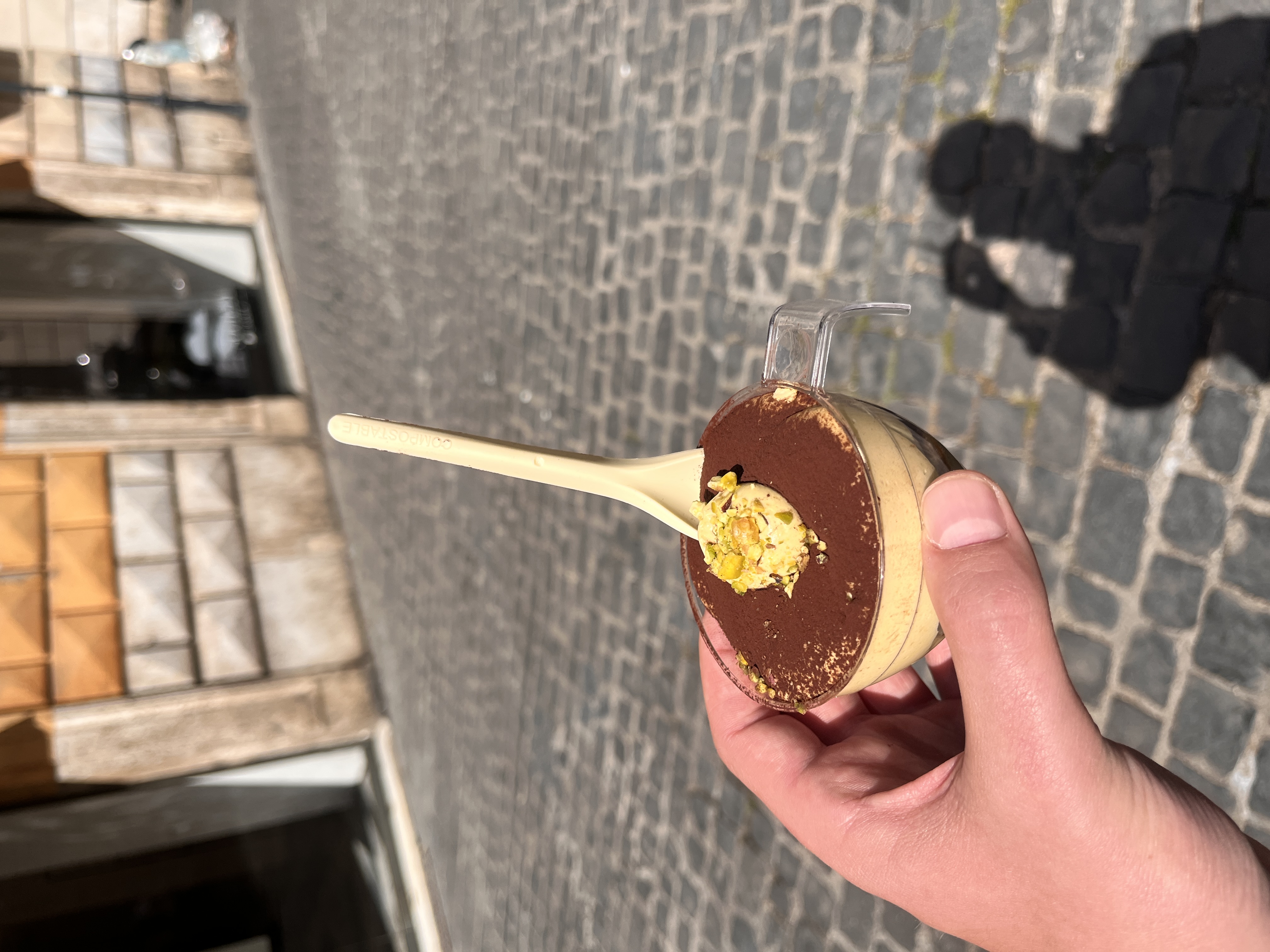
Luckily for me, my hardships pale in comparison to what Santiago suffered. I dealt with isolation solely. He dealt with isolation, financial insecurity, and the risk of death. However, these difficulties, no matter how small or large, are what allow us to overcome the mental afflictions we sometimes sit in for years. Understanding what you personally need to shift your perspective is paramount, and I think that's why I relate to Santiago so much. I understand his approach. Regret and despair eat at him. Keeping him from the present. It's only until he commits to selling his sheep and seeking the treasure that his mental affliction starts to alleviate.
So, in Schrödinger-style, I'll end with this: We will never truly know if the grass is greener, unless we inspect it for ourselves. It may not be, and in those cases it's okay to be wrong. Life is challenging, and there will never be a "right decision". Just one that seems the best at the time you make it. You can correct a poor action, you can't correct inaction. So whatever it is that you are wrestling with, finally do something about it. Buy the gym membership. Have the hard conversation with your wife. Sell your car. Do it. You can fix your mistakes later.